
Answer
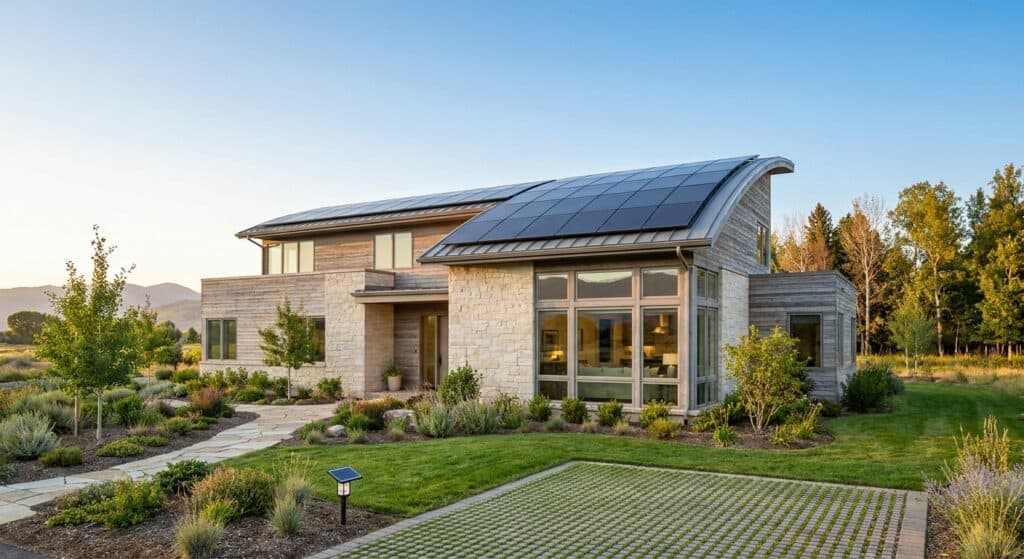
Sagen Energy Efficient Housing incorporates advanced building practices and technologies to lower energy consumption and costs. Homes with these features in Sagen, Alberta, can see a return on investment within 5 to 7 years due to reduced energy bills. Our team helps homeowners in the Edmonton area select appropriate energy upgrades that align with local climate demands.Overview
Ridgeline Solar supports Sagen Energy Efficient Housing initiatives, providing solutions that enhance home performance and reduce energy consumption. Building an energy-efficient home in this area can lead to a return on investment within approximately 5 to 7 years, primarily through lower utility bills.
This article explores various aspects of energy-efficient homes, from their features and benefits to costs and available incentives. We also include a Real-World Example comparing different home efficiency choices for a local homeowner.
- Housing Guide: Discover what defines energy-efficient housing.
- Climate Impact: Explore why energy-efficient designs benefit Sagen’s climate.
- Costs, ROI: Review the investment returns for efficient homes.
- Real-World Example: Compare efficient feature choices for homeowners.
- Installation Steps: Plan your energy upgrade project.
- Maximize Investment: Learn to optimize your home’s value.
Your Guide to Sagen Energy Efficient Housing
Adopting Sagen Energy Efficient Housing principles helps homeowners significantly reduce their environmental footprint and lower monthly utility costs. Ridgeline Solar works with clients to integrate energy-saving measures, from advanced insulation to solar power, into both new builds and existing residences. We provide practical strategies for achieving a sustainable living space, tailored to each homeowner’s specific needs and goals.
Our team sees how thoughtful design and material choices directly impact long-term home performance. We assist homeowners in understanding the various technologies and construction methods that contribute to energy efficiency, ensuring informed decisions for their properties. This guide explores key aspects of creating a truly energy-efficient home.
Why Energy Efficient Homes Matter in Sagen’s Climate
Homes in Sagen experience cold winters and warm summers, which drives demand for heating and cooling. Implementing Sagen Energy Efficient Housing principles directly counters these seasonal demands by minimizing energy loss. We consistently see how proper insulation and high-performance windows significantly reduce heating expenses for homeowners in this climate.
Energy-efficient construction offers clear advantages beyond immediate cost savings. Building codes in Sagen require specific energy efficiency measures, such as enhanced insulation standards, to help minimize heat loss. These standards ensure homes retain warmth during colder months and remain cooler when temperatures rise, contributing to year-round comfort and lower utility bills.
Costs and ROI of Sagen Homes
Investing in Sagen Energy Efficient Housing requires an initial financial commitment that provides long-term returns. Upfront costs for building energy-efficient homes in Sagen, Alberta, typically range from $200 to $400 CAD per square foot, depending on the materials and technologies selected. These expenditures cover advanced insulation, high-performance windows, and potentially solar panel installations.
The return on investment (ROI) for these homes usually materializes within 5 to 7 years through reduced energy bills. Homeowners may experience approximately 30% savings on heating costs during the cold winter months due to improved thermal performance. Additionally, local government incentives and rebates on upgrades like insulation or energy-efficient appliances can accelerate this payback period.
| Feature | Initial Cost Consideration (Illustrative) | Long-Term Savings/Benefit |
|---|---|---|
| Advanced Insulation | Higher upfront cost (CAD) | Significant reduction in heating bills; improved comfort |
| Energy-Efficient Windows | Moderate increase in cost (CAD) | Lower heating and cooling expenses; better indoor climate control |
| Solar Panel Installation | Substantial upfront cost (CAD) | Reduced electricity bills; potential for provincial incentives |
| Energy-Efficient Appliances | Slightly higher purchase price (CAD) | Lower operational costs over the appliance lifespan |
| Sustainable Landscaping | Variable upfront cost (CAD) | Reduced irrigation needs; natural cooling benefits |
Choosing the Right Energy Efficient Features for Your Sagen Home
Selecting appropriate energy-efficient features for your home requires careful consideration of both your property’s needs and your long-term goals. Ridgeline Solar helps homeowners assess various options, from insulation upgrades to solar installations, to optimize energy savings. Sagen Energy Efficient Housing focuses on reducing utility bills and enhancing comfort throughout the year.
The effectiveness of different features varies depending on your home’s existing structure and your desired level of investment. We often find that a combination of smaller upgrades can collectively make a big impact on overall energy consumption. Considering factors like your home’s age and local climate patterns helps determine the most beneficial improvements.
| Feature | Consideration for Sagen Homes |
|---|---|
| High-Performance Insulation | Essential for Sagen’s cold winters; reduces heat loss and lowers heating costs. Learn about insulation |
| Energy-Efficient Windows | Minimizes heat transfer, especially important for older homes. Look for triple-pane options to withstand Alberta winters. |
| Solar Panels | Generates clean electricity, reducing reliance on the grid. Sagen homes can benefit from provincial incentives for solar. Explore solar options |
| Smart Thermostats | Optimizes heating and cooling schedules, adapting to seasonal usage patterns. |
| Efficient Appliances | Reduces electricity consumption for daily tasks; look for ENERGY STAR certified models. |
| Sealing and Weatherstripping | Prevents drafts and air leaks, a cost-effective way to improve energy performance. |
Making the Switch: Installation and Next Steps
Upgrading to more efficient living requires a clear process, from initial planning to final installation. Our team helps homeowners through each step, ensuring a smooth transition to enhanced energy performance for their property. We see many residents interested in Sagen Energy Efficient Housing begin by evaluating their current energy consumption.
Many homes in the Edmonton area can benefit from targeted upgrades. Ridgeline Solar specializes in solar panel installations, a significant component of creating an energy-efficient home. We tailor solutions to individual home needs and local conditions, ensuring optimal system performance and homeowner satisfaction.
-
Initial Assessment: Begin with an energy audit of your current home to identify areas for improvement. This audit pinpoints specific upgrades that offer the greatest energy savings.
-
System Design: Work with our specialists to design a solar power system that fits your home’s energy demands and roof characteristics. This design phase considers panel type, inverter selection, and overall system sizing. Solar panel design
-
Permitting and Approvals: We handle all necessary permits and approvals required by local authorities for your solar installation. This step ensures compliance with building codes and regulations.
-
Professional Installation: Our certified installers complete the physical setup of your solar panels and related equipment. The installation process typically takes a few days, depending on system size.
-
System Activation and Monitoring: After installation and final inspections, your system connects to the grid. We provide guidance on monitoring your system’s performance to track energy production and savings. Monitor your solar system
Maximizing Your Energy Efficient Housing Investment
To maximize the return on your energy-efficient housing investment, consistent maintenance and strategic upgrades are necessary. Homes in this area, including those with Sagen Energy Efficient Housing elements, benefit from regular checks on insulation, windows, and heating systems. These practices ensure sustained energy savings over time.
Consider periodic energy audits to pinpoint areas for improvement, especially as technology advances. Energy audit services help identify opportunities to further reduce utility costs and improve comfort. This proactive approach helps homeowners keep their properties performing at peak efficiency, protecting both the environment and their finances.
| Action to Take | Benefit for Homeowners |
|---|---|
| Regular system maintenance | Maintains peak performance of heating and cooling systems, extending equipment lifespan. |
| Energy audits every few years | Identifies new ways to save energy and keeps the home updated with efficiency standards. |
| Seal air leaks and cracks | Prevents heat loss in winter and heat gain in summer, lowering utility bills. |
| Upgrade insulation as needed | Enhances thermal envelope performance, reducing energy demand significantly. |
| Explore smart home technologies | Automates energy usage, offering greater control and potential savings. |
FAQ
Here are some common questions about Sagen Energy Efficient Housing, covering everything from costs and ROI to local regulations and available incentives.
| Question | Answer |
|---|---|
| What are the typical upfront costs for building energy-efficient housing in Sagen, Alberta? | Building energy-efficient homes in Sagen, Alberta, generally ranges from $200 to $400 per square foot. These costs are influenced by the specific materials and technologies chosen for energy efficiency. Advanced insulation and high-performance windows contribute to these initial expenses but lead to long-term savings. |
| How long does it typically take to see a return on investment for energy-efficient housing in Sagen? | The return on investment for energy-efficient homes in Sagen typically occurs within 5 to 7 years. This payback period is achieved through significant reductions in energy bills, with homeowners often saving around 30% on heating costs during winter months. |
| Are there provincial grants or rebates available for energy-efficient home construction in Sagen? | Yes, provincial grants and rebates can help offset the costs of energy-efficient home construction and upgrades in Sagen. These incentives often support measures like improved insulation and the installation of energy-efficient appliances or solar panels. Local government initiatives also promote these sustainable home practices. |
| What local Sagen building codes or standards must be met for energy-efficient housing? | Energy-efficient housing in Sagen must comply with the Alberta Building Code, which includes specific requirements for enhanced insulation and energy-efficient windows to minimize heat loss. Building codes are designed to ensure homes maintain comfort year-round and reduce overall energy consumption. |


