
Answer
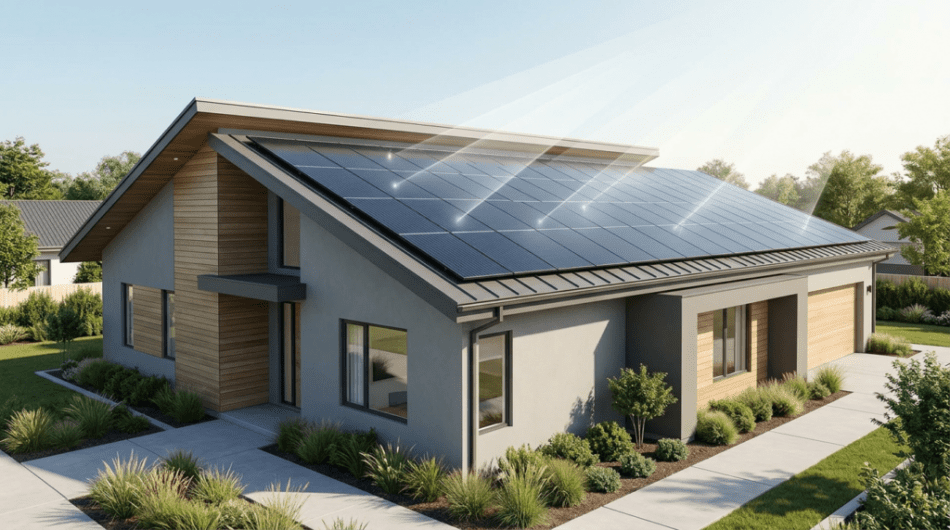
Residential solar converts sunlight into electricity for homes, lowering utility bills and reducing reliance on traditional power sources. In Edmonton, the average installation cost ranges from CAD 15,000 to CAD 30,000, with a typical payback period of 5 to 10 years, depending on factors like energy consumption and system size. We often observe that homeowners with south-facing roofs see the most efficient production from their solar panels.
Overview
Residential solar systems convert sunlight into electricity for homes, lowering utility bills and reducing reliance on traditional energy sources. Ridgeline Solar helps homeowners assess their energy needs and design custom solar solutions for optimal performance.
This article examines how solar energy works, details the advantages of going solar, and breaks down typical costs and savings. We include a Real-World Example comparing two system types for local homeowners.
- Local Information: Learn about solar power here.
- Real-World Example: See a direct comparison for homeowners.
- Costs and Savings: Discover financial aspects of solar.
- Installation Process: Explore the steps involved with us.
- Making Choices: Find out about your best options.
Your Guide to Residential Solar in Edmonton
Ridgeline Solar helps homeowners discover the benefits of residential solar in Edmonton, Alberta. We see a growing interest from local residents in reducing electricity bills and enhancing property value with clean energy solutions. Our team guides you through the process, ensuring your home solar system meets local requirements and your energy needs.
Installing solar in this area can offer substantial long-term savings, especially with the average residential electricity rate around 12.5 cents per kilowatt-hour in Edmonton. While upfront costs for a system typically range from CAD 15,000 to CAD 30,000, regional incentives such as the Alberta Solar Rebate help reduce this investment. This support makes solar more accessible for families looking to power their homes efficiently.
The Advantages of Switching to Residential Solar
Homeowners gain several direct advantages by installing solar panels. We see consistent benefits for our clients, from tangible financial savings to reduced environmental impact. Investing in residential solar means taking control of your energy costs and increasing your home’s long-term value.
| Pros | Cons |
|---|---|
| May lower monthly electricity bills due to reduced reliance on grid power. | Requires an initial investment that varies based on system size. |
| Increases property value, making homes more attractive to potential buyers. | Installation depends on suitable roof space and sunlight exposure. |
| Reduces carbon footprint, supporting environmental sustainability goals. | Energy production fluctuates with weather conditions and seasons. |
| Offers eligibility for various incentives, such as the Alberta Solar Rebate, which can offset initial costs. | Permits and approvals add steps to the installation process. |
Hypothetical scenario:
Consider two Edmonton homes, each consuming 800 kWh per month. Home A installs residential solar, reducing its utility bill significantly from an average of CAD 100 per month to CAD 30 per month after accounting for grid fees and net metering. Home B continues to pay the full average rate of 12.5 cents per kilowatt-hour. Over a 10-year period, Home A could save CAD 8,400 on electricity costs, contributing to a payback within 5 to 10 years, depending on system size and actual energy usage.
Residential Solar Costs and Savings
Evaluating the costs of residential solar involves considering both upfront investments and long-term financial gains. We often explain that the average cost for a solar panel installation in Edmonton ranges from CAD 15,000 to CAD 30,000. This amount varies depending on the system size and efficiency required for a home.
Homeowners here can expect a payback period of 5 to 10 years, influenced by factors such as energy consumption, system size, and available incentives. For example, the City of Edmonton’s Solar Energy Program offers a rebate of up to CAD 0.50 per watt for residential solar panel installations, which can reduce initial expenses significantly. Our team helps homeowners apply for these programs to make solar more accessible.
| Cost Factor | Description and Impact |
|---|---|
| System Size and Efficiency | Larger systems or higher-efficiency panels typically mean greater upfront cost but can generate more electricity, impacting long-term savings. Learn about system sizing. |
| Installation Fees | These cover labor, permitting, and interconnection fees. They can vary based on roof complexity and specific electrical requirements. |
| Incentives and Rebates | Local programs, such as the Alberta Solar Rebate, can offset initial costs, improving the overall return on investment for residential solar projects. |
| Energy Consumption | Your household’s typical electricity usage affects how quickly you see savings from reduced utility bills. |
| Property Value Increase | Installing solar panels can increase home value by an estimated 3-4%, providing a tangible asset appreciation. |
Residential Solar Installation in Edmonton
The process for residential solar installation involves several steps, from initial planning to system activation. Our team guides homeowners through each phase, ensuring compliance with local Edmonton regulations.
We begin with a detailed site assessment, examining roof suitability, sun exposure, and energy requirements. This initial assessment helps us design a system optimized for your specific property and energy goals, preparing it for effective residential solar integration. Our experience with diverse home types across Edmonton helps us tailor solutions for maximum output.
- Initial Consultation and Site Assessment: We evaluate your property’s solar potential, roof condition, and energy consumption patterns. This includes identifying optimal panel placement for efficiency.
- System Design and Proposal: Our experts create a custom solar system design, detailing equipment, expected energy production, and financial projections. We factor in local weather patterns, including snow load considerations.
- Permitting and Approvals: We handle all necessary permits, including development and building permits, ensuring compliance with Edmonton’s regulations. This step often includes structural integrity reviews and electrical code adherence.
- Installation Day: Our certified technicians install the solar panels and associated electrical components on your roof. The process prioritizes safety and system integrity.
- Inspection and Grid Connection: After installation, a final inspection ensures the system meets all safety and performance standards. We then assist with connecting your system to the local power grid.
- System Activation and Monitoring: Once connected, your solar system begins generating electricity. We provide information on monitoring your system’s performance.
Making the Smart Choice for Your Home
Choosing residential solar represents a forward-looking decision for many homeowners. Installing a solar energy system reduces reliance on traditional energy sources and contributes to lower utility bills. Ridgeline Solar works with homeowners to find the best solutions for their individual needs and properties.
We provide expertise for residential solar installations, guiding clients through the selection of optimal equipment and managing the installation process. Our team helps homeowners understand system performance and long-term energy savings. We ensure every installation meets local regulations and homeowner expectations.
| Consideration | Benefit for Homeowners |
|---|---|
| Long-Term Savings | Reduces monthly electricity expenses over the system’s lifespan. |
| Environmental Impact | Lowers carbon footprint by generating clean, renewable energy. |
| Property Value Increase | Adds value to your home, often estimated at 3-4% of the property value property value increase. |
| Energy Independence | Decreases vulnerability to utility rate fluctuations and power outages. |
| Incentives & Rebates | Qualifies for local incentives, like the City of Edmonton’s Solar Energy Program rebate of up to $0.50 per watt solar incentives. |
FAQ
To help you better understand the ins and outs of residential solar, we’ve compiled answers to some of the most common questions about installing and benefiting from solar power at home.
| Question | Answer |
|---|---|
| What are the typical upfront costs for a residential solar installation in Edmonton? | The average cost for a solar panel installation in Edmonton ranges from CAD 15,000 to CAD 30,000. This cost varies based on the system’s size and efficiency needed for your home. Local incentives, such as the Alberta Solar Rebate, can help reduce this initial investment. |
| How long does it usually take to see a return on investment for residential solar in Edmonton? | Homeowners in Edmonton can typically expect a payback period of 5 to 10 years for their solar panel investment. This timeline depends on factors like your home’s energy consumption, the size of your solar system, and available incentives. Long summer days in Edmonton can also accelerate energy generation and savings. |
| What are the main advantages of installing residential solar panels? | Installing solar panels can significantly lower your monthly electricity bills by reducing reliance on grid power. It also increases your home’s property value and reduces your carbon footprint. You may also be eligible for various incentives and rebates, such as the City of Edmonton’s Solar Energy Program. |
| What permits are generally required for a home solar system installation in Edmonton? | In Edmonton, homeowners typically need to obtain a building permit for solar energy systems. If the installation exceeds a certain height above the roofline, a development permit may also be required. All electrical work must comply with the Alberta Electrical Code and be done by a licensed electrician. |


